Brixton London rubbish collection for flats on Acre Lane: a practical guide for residents, landlords and managing agents
If you live in a flat on Acre Lane, you already know rubbish collection can be a bit of a moving target. One week the bins are fine, the next they are overflowing, bags are left beside the chute, and everyone is wondering whose turn it was to take the boxes down. Brixton London rubbish collection for flats on Acre Lane is really about making that whole process simpler, cleaner and more predictable.
This guide explains how flat waste collection usually works in this part of Brixton, what to watch out for, and how to choose the right approach for shared living, busy rental blocks and managed buildings. We will cover the practical side too: access, storage, bulky items, recycling, compliance, and the small things that save you from a big headache later. Because, let's face it, rubbish is never glamorous, but bad rubbish management is painfully noticeable.
Quick takeaway: For flats on Acre Lane, the best rubbish collection setup is usually the one that keeps communal areas clear, avoids missed collections, separates recycling properly, and removes bulky waste without blocking entrances or annoying your neighbours.
Why Brixton London rubbish collection for flats on Acre Lane Matters
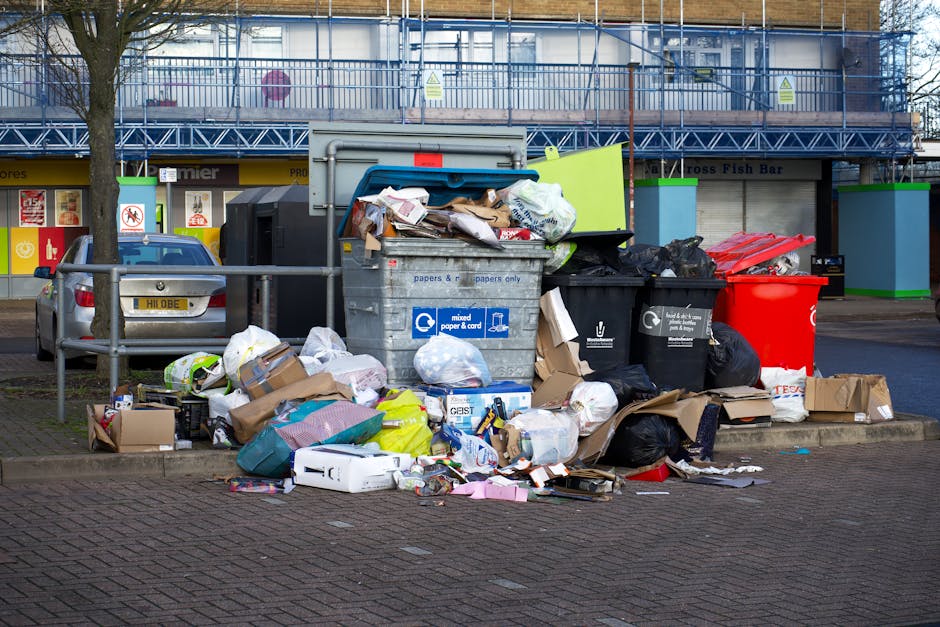
Flats create a different rubbish problem from houses. There is less private storage, more shared responsibility, and more opportunities for confusion. On Acre Lane, where homes, shops, busy roads and apartment blocks sit close together, waste can build up fast if no one is quite sure where it should go or when it should be taken out.
That matters for a few reasons. First, waste left in communal areas can attract pests and create odours very quickly, especially during warmer spells. Second, overfilled bins and loose bags make entrances look neglected, which can affect how residents feel about the building. Third, poor waste handling can lead to blocked pavements, fire risks in shared hallways, and friction between neighbours. None of that is ideal at 7:30 on a Monday morning.
There is also a practical local factor. Acre Lane sits in a busy part of Brixton where access can be tight, parking can be awkward, and waste teams need clear instructions to collect safely. The simpler your waste arrangement is, the less likely it is to become a weekly drama. You know the kind. Someone says the bin was collected, someone else says it wasn't, and the recycling bags end up in the wrong place anyway.
For landlords, managing agents and block residents, a reliable collection routine is not just about tidiness. It helps protect the building, keeps residents happier, and reduces the chance of complaints. If you manage more than one property, it also helps you stay organised across different flat types and occupancy levels. A small thing, but a very useful one.
How Brixton London rubbish collection for flats on Acre Lane Works
There are usually three broad ways waste is handled for flats on Acre Lane: council-led collections, private rubbish collection, or a mixed approach that depends on the type of waste. Which one works best depends on your building layout, the volume of waste, and how often rubbish builds up.
For standard household waste, many flats rely on scheduled council collections and shared bin storage. Residents place waste in the correct bins or bags, and the building's waste storage area is emptied on collection days. That works reasonably well when everyone follows the rules and the bins are accessible.
Private rubbish collection becomes useful when the waste is too much for normal bins, when there are bulky items, or when the building has just had a move-out, refurb, or clear-out. Think old mattresses, broken wardrobes, packaging from a flat renovation, or a sudden pile of bags after tenants leave. In those moments, a one-off collection is often the cleanest option. If you need that kind of support, a service like bulk waste collection or flat clearance can be a practical fit.
Some buildings also need extra support for recycling separation, white goods, or furniture removal. For example, a fridge left in a hallway is not just a nuisance; it is a safety and access issue. In those cases, specialist collection routes such as fridge disposal or white goods recycle may be more suitable than trying to squeeze everything into the regular system.
For Acre Lane flats, access is often the make-or-break factor. Can a vehicle stop nearby? Are there steps, gates, or narrow entrances? Is the waste stored in a basement, rear yard or internal bin room? The smoother the access, the easier the collection. Simple, but true.
Key Benefits and Practical Advantages
Good flat rubbish collection is one of those things people barely notice when it works. That is sort of the point. The benefit is not just "less rubbish"; it is a more liveable building and fewer avoidable problems.
- Cleaner communal areas: Fewer bags in hallways, less mess near bin stores, and fewer complaints from residents.
- Better recycling: Clear separation of recyclables makes the system easier to manage and reduces contamination.
- Less time wasted: Residents and property managers spend less time chasing missed bags, damaged bins or unclear responsibilities.
- Safer access routes: Hallways, stairwells and exits stay clear, which matters in blocks where people come and go all day.
- Better first impressions: Visitors, tenants and buyers notice when a building feels looked after.
- Flexibility for bulky items: When you need to remove furniture, appliances or mixed waste, you can handle it without waiting for the next scheduled council round.
There is a quieter benefit too: less tension between residents. When rubbish is managed properly, there are fewer "it wasn't my bag" conversations in the stairwell. A small mercy, really.
Private collection can also be useful when a building has a mix of long-term residents and short-stay lets. Waste patterns change, and one rigid system does not always fit. In those cases, occasional support from a trusted rubbish collection team can bridge the gap between ordinary day-to-day collections and a proper clear-out.
Who This Is For and When It Makes Sense
This kind of service is not just for people with overflowing bins. It is useful for a fairly wide range of people around Acre Lane and the wider Brixton area.
- Flat owners who need help with regular waste overflow, bulky items, or post-move rubbish.
- Tenants who are leaving a property and need to clear accumulated waste quickly and responsibly.
- Landlords dealing with end-of-tenancy waste, abandoned items, or poor bin management.
- Managing agents responsible for shared bin stores, communal cleanliness and resident complaints.
- Freeholders and resident associations looking for a more reliable backup when council collections are not enough.
It tends to make sense when the waste is awkward, urgent or simply too much for the usual bins. A couple of black bags? Probably not a big issue. A hallway full of cardboard after a flat refit? That is a different story. If a sofa, mattress or washing machine is sitting in the way, it usually makes more sense to arrange a targeted pickup than to wait around and hope it somehow disappears.
It also makes sense if the building has recurring issues. Maybe the bins are constantly full before collection day. Maybe recycling is getting contaminated. Maybe bulky waste keeps appearing next to the bin store because no one knows where to put it. Those are signs that the building needs a better system, not just a one-off tidy-up.
Step-by-Step Guidance
If you are trying to sort rubbish collection for flats on Acre Lane, the easiest way to avoid mistakes is to work through it in order. No heroics required.
- Identify the waste type. Is it standard household rubbish, mixed recycling, bulky waste, furniture, appliances or renovation debris? Different waste needs different handling.
- Check what the building already has. Look at bin capacity, bin store access, recycling arrangement, and whether the waste area is easy to reach.
- Separate what can be recycled. Cardboard, cans, bottles and some white goods should not be mixed with general rubbish if they can be helped.
- Make access simple. Clear the route from flat to bin store or collection point. Lift doors open if needed. Remove items from the doorway. It saves time and avoids friction.
- Decide whether council or private collection is better. Normal domestic waste often fits routine collections. Large or awkward items often need a specialist pickup.
- Request a proper quote if the job is larger. Be clear about stairs, parking, lift access, and what needs taking away. That detail matters more than people expect.
- Settle the disposal point before collection day. Don't leave bags by the wrong entrance or hidden in a side passage. That is how things get missed.
- Follow up after collection. Check that the bin store is left tidy, any recyclables are properly removed, and nothing has been missed behind doors or in corners.
One small thing that helps a lot: label bins and storage points clearly. A bit boring, maybe, but very effective. In a shared building, clarity beats assumptions every time.
Expert Tips for Better Results
In our experience, the best waste systems are rarely the fanciest. They are the ones that are easy to follow when everyone is busy, tired or rushing out the door with a coffee in hand.
1. Keep the bin route as short as possible
If residents have to carry rubbish too far, they are more likely to leave it in the wrong place. A bin store that is easy to find and easy to reach gets used properly. A hidden or awkward one, not so much.
2. Match collection frequency to reality, not hope
Some buildings simply need more frequent clearances than others. If a block generates lots of packaging, takeaways or move-out waste, a once-a-week approach may be too thin. Better to deal with the load properly than to keep apologising for the smell.
3. Use bulky waste collection before clutter becomes a pattern
One old wardrobe left beside the bins often becomes three chairs, two broken shelves and, somehow, a lamp with no shade. Getting rid of large items early stops the clutter snowball effect.
4. Be specific about access
Tell the collection team about parking restrictions, low ceilings, narrow stairwells, security gates or unusual loading arrangements. A five-minute heads-up can save a thirty-minute delay. That is not exaggerating much.
5. Keep a simple resident reminder system
A notice in the lobby, a WhatsApp message, or a short email with collection day reminders can reduce mistakes. Short and plain works best. People do not read essays in a bin room.
For bigger clearances, it can also help to use services that are designed for specific waste streams. For example, if a flat is being cleared after a move or a refurb, furniture removal and collection, mattress removal and collection or rubbish removal may be more appropriate than a general household collection.
Common Mistakes to Avoid
Most rubbish problems in flats are not dramatic. They are small, repeatable mistakes that stack up over time. The good news? They are usually easy to fix once spotted.
- Leaving waste in hallways: This blocks access and can create fire and hygiene issues in shared buildings.
- Mixing recycling with general waste: Contaminated recycling is harder to process and can make the whole system less effective.
- Assuming someone else will deal with it: In shared flats, assumptions are rubbish management's worst enemy.
- Forgetting about bulky items: A mattress, sofa or appliance needs a plan, not optimism.
- Booking a collection without checking access: If a van cannot stop safely nearby, delays are likely.
- Waiting until the bin store is full to act: By then, the problem has already become more expensive and more annoying.
Another common mistake is not separating landlord, tenant and building responsibilities. If no one knows who arranges what, the issue simply keeps returning. That is where a basic written process helps. Nothing fancy. Just clear. Very clear.
Tools, Resources and Recommendations
You do not need a warehouse full of equipment to manage rubbish well in a Brixton flat block. A few simple tools and habits make a noticeable difference.
- Labelled bins or sacks: Helps residents sort waste correctly, especially in shared properties.
- Basic resident notices: Useful for collection days, bulky item reminders, and recycling guidance.
- Clear access maps or instructions: Handy for managing agents and collection teams if the building is complicated.
- Scheduled inspection routine: A quick weekly check can catch overflow before it becomes a mess.
- Photo documentation: Useful for landlords and agents if they need to track what was left behind after a move-out.
If your building regularly produces furniture, mattresses or mixed loads, it may be worth keeping a shortlist of disposal options. A page like furniture clearance, mattress disposal, sofa removal or bed disposal can be useful when a flat is being emptied or refreshed.
For residents who want to understand broader disposal choices, recycling and rubbish and waste disposal are sensible starting points. They help you think beyond "just get rid of it" and towards "where should this actually go?" which, to be fair, is the more responsible question.
Law, Compliance, Standards, or Best Practice
Waste in flats is not only a practical issue. It also touches on health, safety and responsible disposal. While the exact duties vary depending on the property type and who manages it, there are some broad best-practice principles worth following.
Do not block shared exits, stairwells or corridors with rubbish. Keep communal bin storage areas accessible and tidy. Make sure waste is not left in places where it could create a slip, trip or fire risk. If you manage a building, put clear arrangements in place for residents so everyone knows what goes where and when.
For mixed or commercial-style waste from managed buildings, it is sensible to use a provider that is clear about handling, transport and disposal practices. If you are dealing with recurring business-type waste from a mixed-use block or a rental portfolio, pages such as business waste removal and commercial waste collection may be relevant, depending on the nature of the waste stream.
Responsible disposal also matters if items contain anything that needs special handling, such as fridges or certain electrical goods. In those cases, you should not assume every item can just be put out with ordinary waste. Careful handling protects residents, collection crews and the wider environment. And yes, it saves awkward conversations later.
Best practice for Acre Lane flats is straightforward: keep communal areas clear, separate waste properly, plan for bulky items, and use licensed, transparent disposal routes where appropriate. That is the safe middle ground, and usually the sensible one too.
Options, Methods, or Comparison Table
Choosing the right rubbish collection method for flats is often about balancing convenience, cost, urgency and waste type. Here is a simple comparison to make that decision easier.
| Option | Best for | Pros | Watch-outs |
|---|---|---|---|
| Council collection | Routine household waste and standard recycling | Built into everyday building routines; familiar to residents | Can struggle with overfill, bulky waste and access issues |
| Private rubbish collection | Urgent, bulky or mixed waste | Flexible timing, useful for awkward items | Needs clear access details and accurate load description |
| Flat clearance | End-of-tenancy, move-out, or whole-flat clear-outs | Handles furniture, bags, and mixed household items in one go | More involved than a simple bin collection; plan ahead |
| Bulky item collection | Sofas, mattresses, white goods, broken furniture | Stops large items clogging hallways and bin stores | Some items need specialist handling or separate disposal |
If you are unsure which route is best, ask yourself one simple question: is this normal weekly rubbish, or is it something that needs removing properly and promptly? That distinction clears up a lot.
Case Study or Real-World Example
Picture a typical flat block off Acre Lane on a busy Friday afternoon. A tenant has moved out, the landlord is preparing for viewings, and the communal bin store is already half full. Two armchairs are sitting near the entrance, cardboard is piling up from flat-pack furniture, and there is a mattress that no one wants to own.
In that kind of situation, waiting for the next routine bin day is usually not enough. The better move is to sort the waste by type, clear the shared access route, and arrange a targeted collection for the bulky items. Cardboard can be bundled neatly. Reusable items can be separated if needed. The mattress and furniture can be taken away in one planned visit instead of lingering in the building for days.
What does that change in real terms? The hall smells better. Residents stop complaining. The agent can book viewings without apologising for the entrance. The building looks cared for again. Not perfect, but a lot better.
We have seen this kind of issue happen after a weekend move, after a minor refurbishment, and even after a seemingly tiny clear-out that somehow turned into five bin bags, a desk and a broken freezer. Waste has a funny way of multiplying when nobody is keeping an eye on it.
Practical Checklist
Use this checklist before arranging Brixton London rubbish collection for flats on Acre Lane:
- Identify exactly what needs removing.
- Separate general waste, recycling and bulky items.
- Check whether anything needs special handling.
- Confirm access to the bin store, hallway, lift or loading point.
- Make sure the route is clear and safe.
- Decide whether council collection or private pickup is more suitable.
- Take photos if the job is large or linked to a tenancy change.
- Warn residents or neighbours if a collection may affect shared space.
- Confirm timing, especially if the area is busy or parking is tight.
- Check that everything is removed and the area is left tidy afterwards.
If you can tick most of those off, you are in good shape. If not, pause and sort the details first. Saves hassle. Simple as that.
Get a free quote today and see how much you can save.
Conclusion
Brixton London rubbish collection for flats on Acre Lane works best when it is planned around the realities of shared living: limited space, busy access, mixed waste types and the need to keep communal areas clean. When the process is clear, everyone benefits. Residents have less mess to deal with, landlords avoid complaints, and the building feels calmer and more looked after.
The main thing to remember is that rubbish problems rarely fix themselves. A small, practical plan usually beats a big, messy clean-up later. Whether you need regular waste support, a one-off bulky pickup, or a full flat clearance, the smartest option is the one that fits the building rather than fighting it.
Get the basics right, and waste stops being a weekly nuisance. That alone makes life feel a little easier, which is no small thing in London.
Frequently Asked Questions
What is the best rubbish collection option for flats on Acre Lane?
It depends on the waste. Routine household rubbish is usually best handled through regular collections, while bulky items, mixed loads or end-of-tenancy waste often need a private collection or flat clearance service.
How often should rubbish be collected in a flat block?
There is no single answer. The right frequency depends on how many residents use the bins, how much packaging is produced, and whether the block has recycling and bulky waste issues. If bins fill before the next scheduled pickup, the system needs adjusting.
Can I leave a sofa or mattress in the communal bin area?
No, not if it blocks access or creates a hazard. Large furniture and mattresses should be removed through a proper bulky waste or furniture disposal route so the building stays safe and tidy.
What should I do if the bin store is always overflowing?
First, work out whether the problem is capacity, timing or resident behaviour. Then look at whether the building needs more frequent collection, better recycling separation, or a one-off clear-out to reset the space.
Is private rubbish collection better than council collection for flats?
Not always. Council collection is usually the right fit for ordinary household waste. Private collection is often better for bulky items, urgent clearances or loads that do not fit the normal bin system.
How do I prepare a flat for rubbish collection?
Sort the waste, clear access paths, separate bulky items, and give the collection team any useful details about stairs, parking or security gates. A little preparation makes the job faster and smoother.
What if recycling keeps getting mixed with general waste?
That usually means residents need clearer instructions or better bin labelling. In some buildings, the issue is simply confusion. A short reminder notice and properly marked bins often help more than people expect.
Are there special rules for waste in shared hallways?
Yes in practice, even when people do not think of them that way. Shared hallways should stay clear, because rubbish can block exits, create odours and make the building feel unsafe. Best practice is to remove items promptly and keep communal routes open.
Can landlords arrange rubbish collection after tenants move out?
Yes, and often they should. End-of-tenancy waste can build up quickly, especially if furniture, bags or broken items are left behind. A planned clearance helps get the property ready for cleaning or re-letting.
What kinds of items are usually removed in a flat clearance?
Flat clearance often includes furniture, mattresses, bags of household waste, appliances, cardboard, clothing and mixed clutter. The exact scope depends on the property and how much needs to go.
How do I know whether an item needs special disposal?
If it is electrical, bulky, heavy, damaged, or not suitable for ordinary household bins, it may need specialist handling. Fridges, freezers and some appliances are common examples where care is important.
What is the main mistake people make with flat rubbish collection?
The biggest mistake is leaving too much to chance. If no one knows who is responsible, where waste should go, or when it will be removed, the problem tends to repeat. A simple plan usually fixes more than people think.
How can I keep the bin area cleaner in the long term?
Use clear labels, remind residents about collection days, remove bulky items quickly, and review the system if bins are constantly full. Small habits make a big difference over time.