Clearances London: Recycling and Sustainability
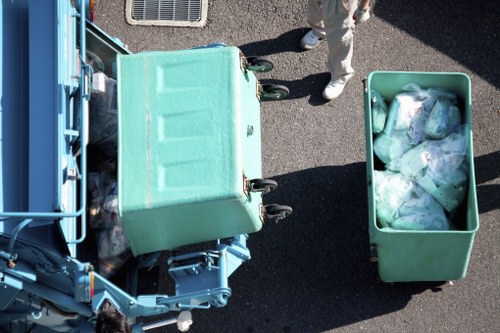 Clearances London is committed to a pragmatic, measurable and ambitious approach to waste reduction across the capital. Our mission as a leading clearance services in London provider is to balance fast, reliable clearance with long-term environmental stewardship. We set a clear recycling percentage target: a 90% reuse and recycling rate for all collected materials by 2030. This target is backed by detailed tracking, regular audits and continuous improvement initiatives to reduce landfill, increase donation and extend product lifecycles.
Our operations are designed to align with the varied waste separation systems across London boroughs. In areas where boroughs mandate separate food waste or glass collection, our teams follow local rules and help segregate items at source. We recognise that London clearances must be adaptable: some boroughs favour co-mingled recycling bins, while others encourage separate streams for glass, paper, and mixed recyclables. By working alongside local collection schemes we ensure as much material as possible follows the correct recycling pathway, improving recovery rates and respecting community regulations.

Local Transfer Stations and Responsible Processing
We use a network of local transfer stations and processing centres across London and the surrounding region to keep journeys short and emissions low. Materials are delivered to licensed transfer stations in strategic locations—ranging from north and east London hubs to south and west facilities—so that bulky items are sorted quickly and routed for reuse, repair, or recycling. Prioritising local transfer points reduces vehicle miles and supports nearby recycling markets, while guaranteeing that hazardous or non-recyclable materials are handled in accordance with environmental regulations.Partnerships are a core part of how we deliver sustainable clearances. We work closely with charities, social enterprises and community projects to maximise reuse. Items in good condition are channelled to partner organisations such as furniture and household charities, homelessness services and local community projects. These partnerships mean that sofas, tables, functional appliances and other serviceable goods are given a second life rather than being processed as waste. Clearance London has established regular donation rounds with multiple London-based charities to ensure reliable collections and fair distribution.
Charitable Collaboration and Social Value
Our collaboration model emphasises traceability and documented outcomes. When working with charities, we provide manifesting that shows what was donated, approximate value and destination (where allowed). This strengthens social impact, supports charity audit needs and creates measurable social value from each clearance. We also support local reuse initiatives that offer low-cost items to residents and training programmes that teach repair and refurbishment skills.In addition to charitable routes, we partner with licensed recyclers and refurbishment workshops to process materials unsuitable for donation. Items such as metal frames, timber, and electronic waste are separated and sent to specialist facilities that recover raw materials or safely extract hazardous components. Our sorting protocols ensure that salvageable materials are diverted from energy-from-waste streams whenever possible, reinforcing our intent to hit the 90% recycling goal.
Vehicle emissions are a direct focus for our sustainability programme. We operate a growing fleet of low-carbon vans—electric vehicles for inner-London calls, plug-in hybrids for mixed journeys, and low-emission Euro 6 diesel vans for longer runs where necessary. Where access is tight, we deploy cargo e-bikes and smaller electric cargo units to reduce noise and pollution in residential streets. Every route is optimised using route-planning technology to minimise mileage and idle time, contributing to lower CO2 outputs across our London clearances operations.
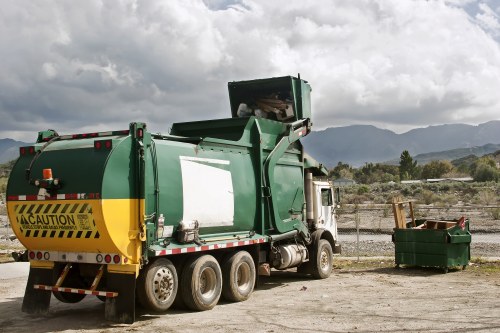 Operational standards include routine vehicle maintenance, driver training on eco-driving techniques, and investments in charging infrastructure at our strategic depots. We track fleet emissions and set annual reduction targets, integrating low-carbon procurement into vehicle replacement cycles. By combining low-emission transport with smarter logistics, our clearance services in London reduce local air quality impacts and align with the capital’s wider net-zero ambitions.
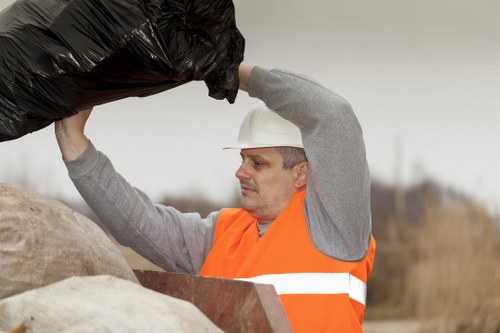 Practical Recycling Activities and Community AlignmentAcross boroughs we support a range of recycling activities: segregation of paper, card and cartons; separate glass collection where required; dedicated lines for small electricals (WEEE); and safe disposal of mattresses and bulky furniture through licensed processors. Our staff are briefed on borough-level sorting rules and on-site signposting options, so each collection contributes to municipal objectives. We also run internal campaigns to increase repair and refurbishment rather than replacement, and we encourage customers to opt for donation where feasible.
- Reuse first: prioritise donation and resale
- Reuse and recycle: route items to specialist processors
- Low-carbon delivery: electric vans, hybrids, e-bikes
As a dedicated London clearance specialist, Clearances London continually refines its sustainability approach. We measure performance against our recycling percentage target, maintain partnerships with local charities and transfer stations, and invest in a greener fleet to lower emissions. Together with residents, businesses and community partners across the capital, we aim to make every clearance a responsible one—reducing waste, supporting reuse and keeping London moving toward a circular, low-carbon future.