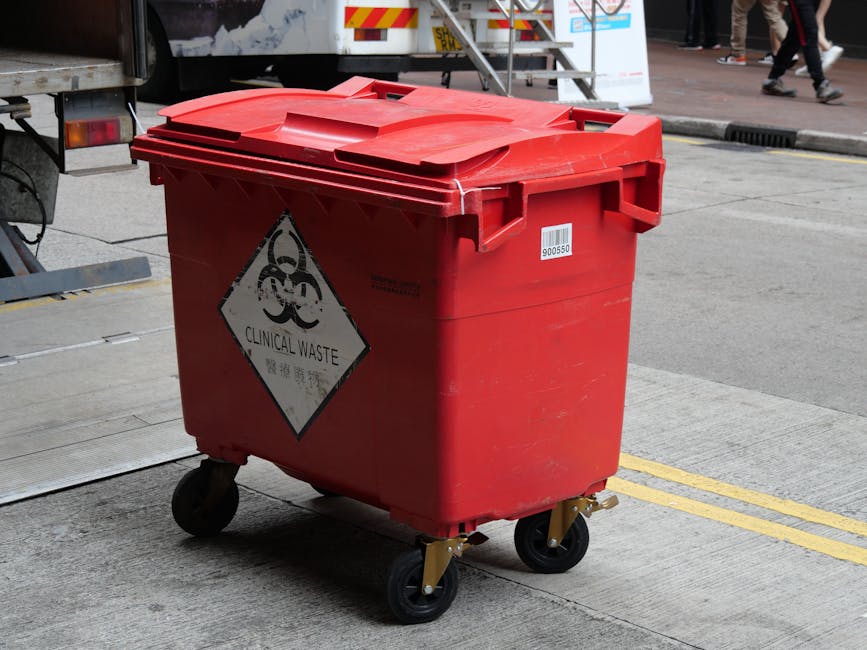
Removing hazardous household waste in London: quick guide
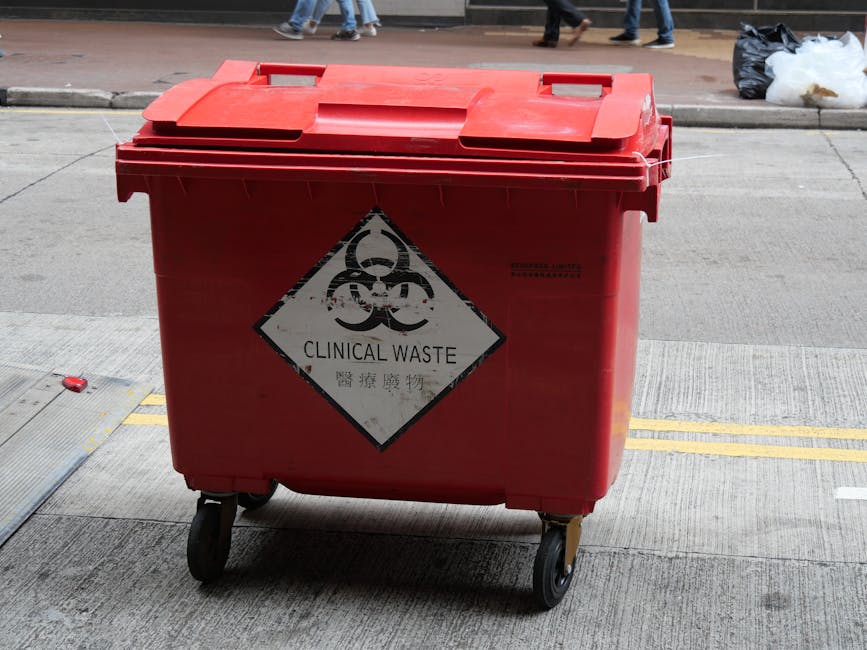
If you've got old paint tins in the shed, a leaking bottle of cleaner under the sink, a broken fluorescent tube, or a battery that's started to swell, you're not alone. Hazardous household waste has a habit of building up quietly until one day it becomes the thing you really don't want to ignore. This guide to removing hazardous household waste in London: quick guide explains what counts as hazardous, how removal usually works, what to avoid, and how to make the whole job safer and simpler in a busy London home.
Truth be told, most people do not need a lecture. They need clear steps, a bit of reassurance, and a sensible plan. So that's what you'll get here.
Why Removing hazardous household waste in London: quick guide Matters
Hazardous household waste is different from the everyday rubbish you put out each week. It can be flammable, corrosive, toxic, irritant, or simply awkward in a way that ordinary bin collections are not designed to handle. Think paints, solvents, pesticides, certain cleaning chemicals, oils, aerosols, batteries, fluorescent tubes, gas canisters, and some electrical items.
In London, space is tight and storage is often even tighter. A half-used tin of paint might sit under the stairs for years. A cracked bottle of drain cleaner might end up at the back of a cupboard. Then, one day, there's a smell, a leak, or a child gets curious. You can see why this matters.
Safe removal protects people, property, and the environment. It also helps prevent accidental mixing of chemicals, which is where small household problems can become much bigger. A little caution goes a long way here.
It matters for landlords too, for anyone clearing a flat after a move, and for households doing a full reset after renovation, bereavement, or a long-overdue declutter. If you are clearing other bulky items at the same time, you may also want to look at bulk waste collection or broader waste clearance options so the job is handled in one go rather than in awkward stages.
How Removing hazardous household waste in London: quick guide Works
The process is usually straightforward once you know what you're dealing with. The key is sorting the waste correctly before anything leaves the property. That avoids contamination and helps decide the safest disposal route.
In practical terms, hazardous household waste removal usually follows this pattern:
- Identify the items. Separate anything that may be chemical, flammable, pressurised, sharp, or contaminated.
- Check the condition. Look for leaks, damage, swelling, rust, strong odours, or mixed contents.
- Keep items stable and apart. Do not bundle everything together. That is asking for trouble.
- Choose the right collection route. Depending on the item, this may mean a specialist waste service, a local household waste route, or a separate drop-off arrangement.
- Load and transport safely. Containers should stay upright, sealed where possible, and away from heat or impact.
- Dispose through an appropriate facility. Hazardous waste should go where it can be handled, treated, recycled, or disposed of properly.
One of the most overlooked parts is pre-sorting. A garage full of mixed items is slower to assess and easier to mishandle than a few clearly labelled groups. That sounds obvious, but in real life people often skip this step because they are in a rush.
If your waste is part of a bigger home clear-out, services like house clearance or house clearances may help with the non-hazardous side, while the hazardous items are separated for proper handling. Same for property clearance jobs where multiple waste streams are involved.
Key Benefits and Practical Advantages
There's a practical side to doing this properly, and it goes beyond "being tidy". A safe approach reduces risk, saves time later, and often makes the whole clearance feel less overwhelming.
- Less risk of leaks and accidental exposure. Old chemicals can seep, crack, or react over time.
- Cleaner storage areas. A cleared cupboard, shed, or garage is easier to use again.
- Better separation of recyclables. Some items, like certain metals, batteries, or white goods components, may be handled for recycling where suitable.
- Fewer last-minute surprises. Sorting early stops a skip or collection being delayed by unsuitable items.
- Peace of mind. You don't keep wondering whether that bottle of unknown liquid is safe to leave there another month.
There's also a local London benefit: space efficiency. In a flat, basement, or terraced house, you often don't have the luxury of "just moving it out of the way". Safe removal clears space quickly and keeps hallways, utility rooms, and stairwells usable.
Expert summary: The best hazardous waste removal plan is the one that starts with sorting, not lifting. When items are identified first, collection becomes cleaner, safer, and usually much less stressful.
Who This Is For and When It Makes Sense
This guide is for anyone in London who has hazardous household waste sitting around and wants it gone without creating a bigger problem. That includes homeowners, renters, landlords, letting agents, executors handling a property, and people clearing after a renovation.
It also makes sense if you have a few specific items and are trying to decide whether to arrange a special removal or fold them into a general clearance. A lot depends on quantity, condition, and how awkward the items are to handle. One small can of paint is not the same as a shed full of old decorating materials. Not even close.
You may need this if:
- you are emptying a garage, loft, cellar, or shed
- a tenant has left behind chemicals or cleaning products
- you've found old DIY materials during a refurb
- you're dealing with broken appliances or white goods with hazardous components
- you want to clear clutter without mixing safe waste and risky waste together
If your clear-out includes heavy furniture or appliances, some readers combine the job with fridge disposal, white goods recycle, or furniture disposal. That can be efficient, but only if the hazardous items are identified separately first. Which, to be fair, is the bit people sometimes skip until the last minute.
Step-by-Step Guidance
Here's a simple, practical way to handle hazardous household waste without turning the place upside down.
1. Walk through the property and gather the obvious items
Check the usual hiding places: under sinks, in bathroom cabinets, behind cleaning supplies, in sheds, garages, and utility cupboards. Look for paint, solvent, weed killer, aerosol cans, used motor oil, chemical cleaners, pool chemicals, batteries, old bulbs, and anything marked as toxic, corrosive, or flammable.
If an item has no label, treat it cautiously. Don't sniff it, don't test it, and definitely don't pour it into another container unless you know exactly what it is. That last part causes more problems than people expect.
2. Separate by type
Group items sensibly:
- Liquids: paints, solvents, oils, cleaners
- Pressurised items: aerosols, gas canisters
- Dry or solid items: batteries, bulbs, contaminated rags
- Electrical items: some may need special handling because of internal components
This makes the collection safer and easier to assess. It also helps if you need to describe the load when asking for a quotation.
3. Keep everything in its original container where possible
Original packaging gives away the product name, hazard type, and handling instructions. If the lid is damaged, wrap the item carefully in a stable outer container, but avoid improvised decanting unless it is truly necessary and safe.
One small practical tip: place leaking containers inside a second sealable tray or tub so drips don't spread. Sounds basic. It is basic. But it works.
4. Remove anything that could ignite, puncture, or spill
Keep hazardous items away from heaters, direct sun, sharp tools, and anything that could spark. In a London flat, that might just mean moving them out of a warm airing cupboard and into a cool, stable area for collection. Small detail, big difference.
5. Decide whether you need a specialist collection
Some items are awkward enough that a targeted hazardous waste removal is the sensible answer. Others may be taken through local household waste routes, depending on the item and local arrangements. The right choice depends on the actual load, not just the label on the tin.
6. Prepare access for the collection team
Clear a safe path, keep pets away, and make sure the items are reachable without anyone having to climb over clutter. If the waste is on an upper floor or in a tight mews property, tell the provider in advance so the right plan can be made. London properties can be quirky. That's part of the charm, until it's moving day.
7. Ask what happens after collection
It's sensible to ask how the waste is sorted, whether reusable or recyclable materials are separated, and whether documentation is provided if relevant. You want to know the waste is being handled properly, not just whisked away and forgotten.
Expert Tips for Better Results
In our experience, the smoothest hazardous waste jobs are the ones where the client has done just enough prep, not too much and not too little. Here are the details that make a real difference.
- Do a quick photo inventory. A few clear pictures of the items help identify what's there and avoid surprises.
- Group by risk, not by room. All batteries together, all liquids together, all aerosols together. Simple and effective.
- Label unknowns as unknowns. That may sound obvious, but it helps everyone stay cautious.
- Keep children and pets out of the area. Especially if there are leaks, broken glass, or dusty residues.
- Plan the job for daytime if possible. You can see what you're doing, and small details are easier to spot in daylight.
Another useful trick is to separate "definitely hazardous" from "possibly recyclable" items. That way you don't accidentally mix a safe electrical item with a chemical container and complicate the whole load.
If you're dealing with lots of mixed waste from a loft or garage, some people pair hazardous item removal with services such as garage clearance, loft clearance, or home clearance. That can be especially useful when time is short and the property needs to be usable again the same day.
Common Mistakes to Avoid
Most mistakes here are understandable. People are trying to be helpful and get the mess sorted. But a few habits create unnecessary risk.
- Mixing chemicals together. Never pour different liquids into one container unless the product guidance clearly says it is safe.
- Putting hazardous waste in the general bin. It can create hazards for refuse handlers and contaminate other waste.
- Puncturing aerosols or pressurised containers. This can be dangerous even when they look empty.
- Ignoring unknown labels. If you cannot identify it, treat it cautiously.
- Leaving items in heat or sunlight. Some products degrade or become more volatile.
- Forgetting hidden items. Cleaning out the visible shelf is one thing; checking the back of the cupboard is another.
A classic one is the "I'll just leave it until the weekend" approach. Sometimes that is fine. Sometimes it becomes a month. Then six months. You know how that goes.
Also, don't assume every old appliance is harmless once unplugged. Some items contain components that need specific handling, especially if damaged. Better to check first than guess.
Tools, Resources and Recommendations
You don't need specialist equipment for a small household sort-out, but a few simple tools make the process safer and calmer.
| Item | Why it helps | Best use |
|---|---|---|
| Thick gloves | Protect hands from leaks, sharp edges, and grime | Handling bottles, tubs, broken items |
| Seal-able tubs or trays | Contain leaks and keep items upright | Liquids, damaged containers |
| Labels or masking tape | Helps mark unknown items clearly | Sorting and temporary grouping |
| Sturdy box or crate | Keeps smaller items together and stable | Batteries, bulbs, small containers |
| Phone camera | Makes it easier to document what you have | Quotes and pre-assessment |
For larger clear-outs, it can help to combine hazardous sorting with general waste removal services like rubbish removal, waste removal, or bulky waste collection. Just keep the hazardous stream separate. That's the rule of thumb.
Some readers also want broader sustainability handling, particularly if they are clearing multiple categories of waste at once. In that case, recycling and sustainability and waste recycling are useful pages to review alongside the main clearance plan.
Law, Compliance, Standards, or Best Practice
Hazardous household waste should be handled in line with relevant UK waste and safety expectations, but the exact route depends on the item, quantity, and who is handling it. Rather than trying to treat every object the same, it is safer to follow common best practice: identify the material, keep it contained, transport it carefully, and make sure it reaches an appropriate facility.
If you are a landlord, managing agent, business owner, or anyone clearing waste on behalf of others, the standard of care should be even higher. You should not guess what an item is, and you should not mix clearly hazardous materials with general rubbish. In London, that can create problems for storage, collection, and disposal, and it is rarely worth the risk.
For domestic users, the main practical compliance point is simple: do not put hazardous items where they can harm refuse collectors, neighbours, or the environment. If you're unsure about a material, check it carefully and err on the side of caution. Safe handling beats fast handling, every time.
It's also sensible to work with providers that take health and safety seriously. Pages such as health and safety policy, insurance and safety, and payment and security can help you judge whether a company looks professional and well run.
If your job includes office, landlord, or mixed commercial waste as well as domestic items, look at business waste removal, commercial waste collection, or commercial waste disposal for the broader context. Different waste streams, different handling. That distinction matters.
Options, Methods, and Comparison Table
There isn't one perfect method for every household. The right choice depends on how much you have, how risky it is, and how quickly it needs to go. Here's a simple comparison.
| Method | Best for | Pros | Watch-outs |
|---|---|---|---|
| DIY sorting before collection | Small to moderate household quantities | Low cost, better control, easier identification | Requires care and a bit of time |
| Specialist hazardous waste collection | Leaking, awkward, or higher-risk items | Safer handling, less stress, better for mixed hazard loads | Usually needs clear item details in advance |
| General clearance plus hazardous separation | Whole-property clean-outs | Efficient for big jobs, reduces multiple visits | Hazardous items still need separate handling |
| Local drop-off or council route where suitable | Small domestic quantities | Can be convenient for a few items | Depends on item type and local arrangements |
For larger household clearances, services such as large item collection or council large item collection may cover non-hazardous bulky objects, while you keep hazardous materials separate. That split is often the cleanest way to move forward.
Case Study or Real-World Example
Here's a realistic London scenario. A tenant moves out of a one-bedroom flat in Hackney and leaves behind a half-full tin of emulsion paint, a few aerosol cans, two bottles of bathroom cleaner, some old batteries, and a broken lamp. Nothing dramatic. Just the kind of leftover clutter that somehow ends up in a corner and then becomes "someone else's problem".
The first step is to keep the liquids upright and separate from the batteries and broken glass. The cleaner bottles stay in a tray, the aerosols are checked for damage, and the lamp is wrapped carefully so the glass doesn't shift around. A quick photo record is made before collection. Simple, but helpful.
The non-hazardous items from the same flat are cleared through a broader flat clearance approach, while the risk items are handled separately. The result is a quicker clearance, less back-and-forth, and no one needs to rummage through mixed waste at the kerb. That matters in a tight stairwell at 8am when everyone wants to get on with their day.
The big lesson? Separation reduces friction. Once the waste is grouped properly, the rest of the process is much less stressful. Really, that is half the battle.
Practical Checklist
Use this checklist before arranging removal.
- Identify all hazardous or potentially hazardous household items.
- Separate liquids, pressurised containers, batteries, bulbs, and electrical items.
- Keep original labels and packaging where possible.
- Place leaking items inside a second container or tray.
- Avoid mixing different chemicals together.
- Keep items away from heat, flames, and direct sunlight.
- Take photos of unclear items before the collection.
- Clear a safe access route to the items.
- Keep children and pets away from the storage area.
- Confirm what the collection provider can and cannot take.
- Separate hazardous waste from general rubbish, furniture, and bulky items.
- Ask how the waste will be handled after collection.
If you're also clearing an entire room or property, services like rubbish clearance, waste disposal, and waste collection can support the non-hazardous side of the job while you keep the risky items isolated.
Conclusion
Removing hazardous household waste in London does not need to be complicated, but it does need to be careful. Identify the items, separate them properly, keep them stable, and choose the right removal route for the load in front of you. That approach reduces risk and makes the whole process feel much more manageable.
If you're dealing with a few odd bottles, a garage full of clutter, or a property that needs clearing quickly, the winning move is the same: sort first, move second. It saves time, prevents mess, and helps you stay in control.
Get a free quote today and see how much you can save.
And if you're standing in front of a cupboard thinking, "right, where do I even start?", start with the easiest item first. One small step, then the next. That's usually enough to get the ball rolling.
Frequently Asked Questions
What counts as hazardous household waste in London?
It usually includes items that can burn, leak, corrode, poison, irritate, or otherwise cause harm if handled like normal rubbish. Common examples are paint, solvents, aerosols, batteries, fluorescent tubes, pesticides, oil, and some cleaning chemicals.
Can I put hazardous waste in my normal bin?
No, that is not a good idea. Hazardous items can endanger waste handlers, contaminate other rubbish, and create avoidable safety risks. They should be separated and handled through the right route.
Do I need a specialist company for just a few items?
Not always. A few small items may be manageable through a local domestic route, depending on the type of waste. But if anything is leaking, pressurised, damaged, or unclear, specialist help is usually the safer option.
How do I store hazardous waste before collection?
Keep it upright, sealed where possible, away from heat and sunlight, and separate by type. A tray or tub for spills is a sensible extra step, especially for liquids.
What should I do with old paint?
Keep it in its original tin if possible and do not mix different paints together unless you are certain it is safe. Dried paint and liquid paint can be treated differently, so it helps to describe the condition accurately when arranging removal.
Are batteries considered hazardous household waste?
Yes, batteries are commonly treated as a special waste stream because they can leak or create fire risk if damaged or crushed. Keep them separate from general rubbish and tape terminals if advised by the product guidance.
Can hazardous waste be collected with furniture or bulky items?
Usually the hazardous items should be separated first. Furniture and bulky waste can often be removed alongside a broader clearance, but they should not be mixed with chemicals or other risky materials.
How quickly can hazardous household waste be removed?
That depends on the amount, the type of waste, access conditions, and the provider's availability. Small jobs are often quicker to arrange than large mixed clear-outs, especially if the items are clearly identified in advance.
What if I do not know what a container contains?
Treat it as unknown and handle it cautiously. Do not open, sniff, pour, or mix it with other liquids. Take a photo, keep it isolated, and describe it as accurately as you can.
Is hazardous waste removal expensive?
Costs vary based on volume, risk, access, and whether the job is part of a larger clearance. The best way to get a useful estimate is to share clear details and photos so the provider can assess the job properly.
Can landlords and agents use the same process?
Yes, but they should be extra careful about identifying the waste and keeping hazardous items separate from general tenancy clearance. Good records and clear communication help avoid avoidable delays.
What happens to the waste after collection?
It should be taken to an appropriate facility or handling route where it can be sorted, treated, recycled where suitable, or disposed of safely. The exact process depends on the material, but it should never just be dumped with ordinary rubbish.
What is the safest first step if I have a mixed pile of waste?
Start by separating anything that is chemical, sharp, pressurised, leaking, or electrical. Once the obvious hazards are apart from the rest, the remaining waste is much easier to manage without stress.